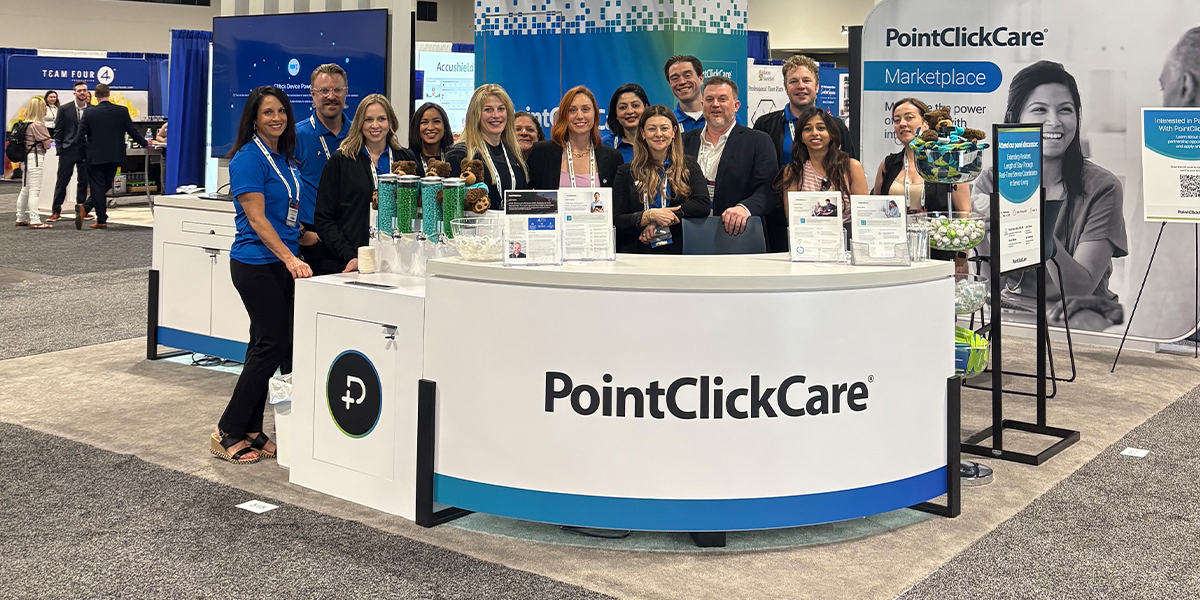
The Alarming Reality of Healthcare Software Vulnerabilities
The recent Point Click Care chaos leak has sent shockwaves through the healthcare industry, exposing a profound vulnerability in the software that millions rely on for their care. As the news broke, concerns began to mount about the potential consequences of such a leak, including the compromise of sensitive patient data and the disruption of critical care services. At the heart of this crisis is PointClickCare, a leading provider of healthcare software solutions, whose systems have been compromised, leading to a chaos leak that threatens the very foundation of care delivery.
With over 10 million patients' records potentially at risk, the situation is grave, prompting urgent calls for action to mitigate the damage and prevent future occurrences. The leak, which has been described as a "chaos" situation by insiders, highlights the darker side of digital healthcare, where the intersection of technology and patient care can sometimes go terribly wrong. As investigators scramble to contain the damage, one thing is clear: the Point Click Care chaos leak is a wake-up call for the entire industry, underscoring the need for robust security measures to safeguard patient data and prevent such crises in the future.

Understanding the Point Click Care Chaos Leak: Causes and Consequences
Delving deeper into the Point Click Care chaos leak reveals a complex interplay of technological vulnerabilities and systemic failures. According to preliminary reports, the leak may have resulted from a combination of human error and inadequate security protocols, allowing unauthorized access to sensitive areas of the system. This has led to not only the potential exposure of patient data but also disruptions in care services, as healthcare providers scramble to respond to the crisis.
The consequences of the leak are far-reaching, with potential long-term impacts on patient trust and the financial stability of healthcare providers. In an era where digital healthcare solutions are becoming increasingly prevalent, the Point Click Care chaos leak serves as a stark reminder of the importance of prioritizing cybersecurity and data protection. As the situation unfolds, stakeholders are looking to PointClickCare and regulatory bodies to provide clear guidance on the next steps and assurances that such incidents will be prevented in the future.
Navigating the Aftermath: Steps Towards Recovery and Prevention
In the wake of the Point Click Care chaos leak, the path forward involves a multifaceted approach aimed at mitigating immediate damages and implementing robust preventive measures. This includes conducting thorough investigations into the leak's causes, enhancing security protocols, and ensuring transparency with affected parties. For PointClickCare, this means not only addressing the current crisis but also regaining the trust of its users and the wider healthcare community.
- •Mandy Rose: The Stunning Fallout From Shocking Leaked Photos
- •Shannon Lofland Leaked: The Jaw-Dropping Truth Behind The OnlyFans Sensation
- •Alyssa McKay's Shocking Revelation: Unveiling Her Deepest Insecurity On Onlyfans
- •Unveiling The Shocking Truth: Gali Golan Leaked Information Exposed
- •Unlock The Secret To Stress-Free Scheduling: 2pm Mountain Time To EST Life Hack Guaranteed To Change Your Day
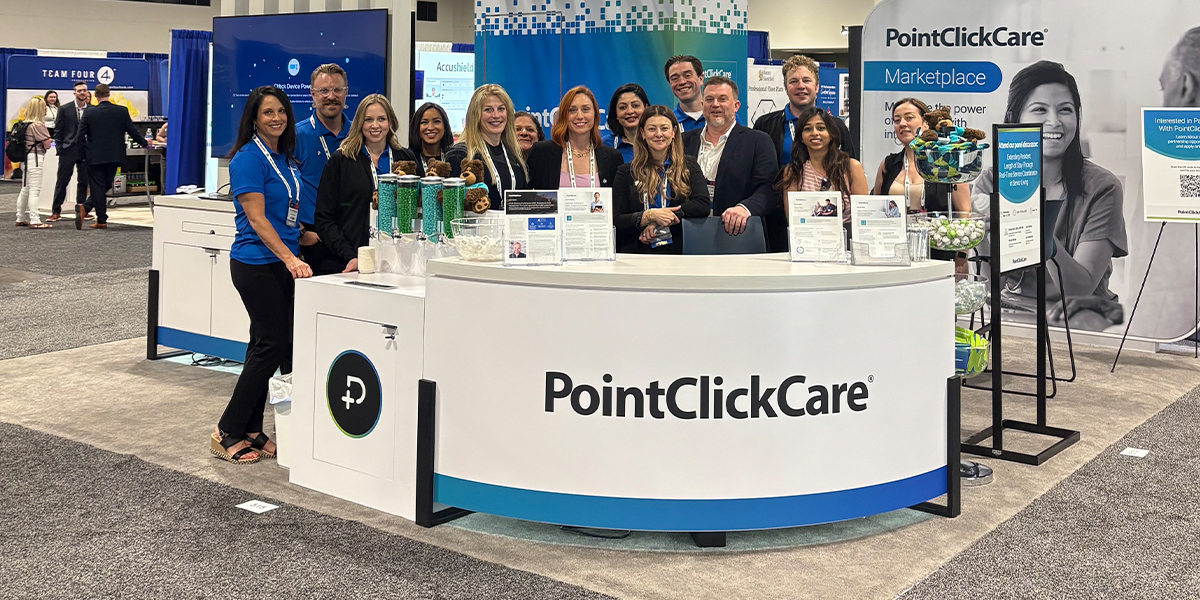
Moreover, the incident highlights the broader need for industry-wide standards and practices that prioritize data security and patient privacy. By learning from the Point Click Care chaos leak, healthcare software providers can work towards creating more secure, reliable systems that support, rather than hinder, the delivery of quality care. This collective effort will be crucial in the weeks and months ahead as the healthcare sector strives to rebuild trust and move forward from this significant setback.
The Future of Healthcare Software: Lessons from the Point Click Care Chaos Leak
As the dust settles on the Point Click Care chaos leak, the healthcare industry is poised on the threshold of a critical moment. The crisis has underscored the vulnerabilities of digital healthcare systems and the imperative of cybersecurity. Moving forward, the development and implementation of healthcare software will need to prioritize security, with a focus on proactive measures to prevent similar leaks and ensure the integrity of patient data.
This shift towards a more secure, resilient healthcare technology ecosystem will require collaboration among software providers, healthcare professionals, and regulatory bodies. By embracing this challenge, the industry can transform the Point Click Care chaos leak into a catalyst for positive change, ultimately enhancing the safety, reliability, and effectiveness of healthcare services for all. The journey ahead will be marked by challenges, but with a commitment to security, transparency, and patient-centered care, the future of healthcare software looks promising.
Conclusion: Turning Crisis into Opportunity
The Point Click Care chaos leak has exposed deep-seated vulnerabilities in the healthcare software sector, prompting a sea change in how patient data protection and cybersecurity are approached. While the immediate effects of the leak are being addressed, the long-term implications offer a chance for reform and innovation. By seizing this moment, stakeholders can work together to forge a more secure, trustworthy, and efficient healthcare system, one that prioritizes the well-being and privacy of patients above all else.
As the healthcare industry navigates the complex aftermath of the Point Click Care chaos leak, it is clear that the path to recovery and growth is paved with challenges. However, with a shared commitment to learning from this crisis and a relentless pursuit of excellence in healthcare technology, the future holds immense promise. The chaos leak, while devastating, can become a pivotal moment in the evolution of healthcare software, marking the beginning of a new era in secure, patient-centered care delivery.
To explore further academic studies and guidelines, refer to search results on Official Academic & Government Portals.