The LionPATH Landscape: Understanding Penn State's Student Portal
Penn State's LionPATH is a comprehensive student information system designed to provide students, faculty, and staff with streamlined access to academic records, course registration, and other vital university services. As with any complex online platform, the potential for exploits and hacks exists, leaving many to wonder about the safety and security of their personal and academic data. The term "Penn State LionPATH hack" has become a topic of concern and curiosity, prompting questions about the risks and consequences of such breaches.
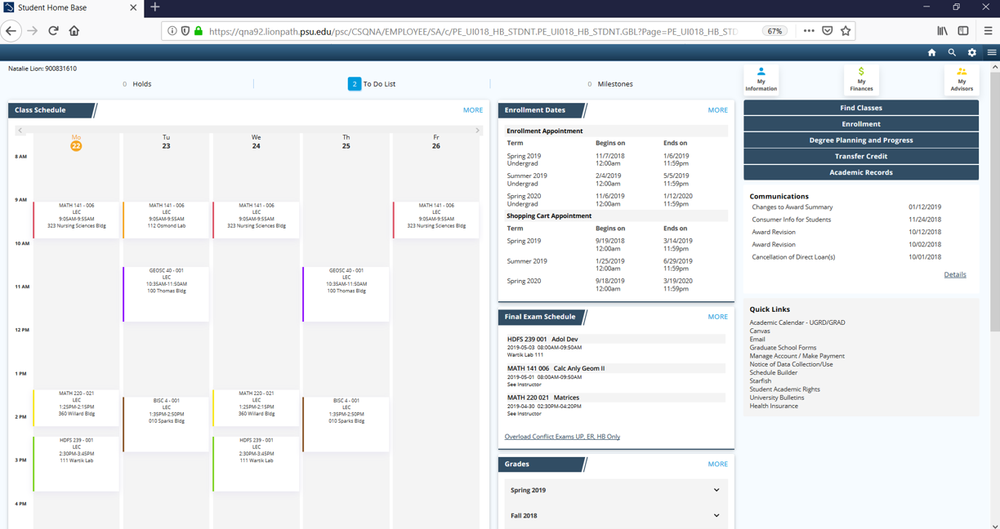
For those unfamiliar, LionPATH is an integral part of Penn State's digital infrastructure, facilitating tasks such as student enrollment, financial aid management, and degree progress tracking. Its importance cannot be overstated, given the reliance of the university community on its functionalities. However, like any digital system, it is not immune to the threats posed by hacking and data breaches, which can have severe implications for users.
The Threat of Hacks: Understanding the Risks to Personal and Academic Data
The concept of a "Penn State LionPATH hack" touches on the very real fear of data compromise. Students and faculty alike store sensitive information within the LionPATH system, from social security numbers and addresses to academic records and financial information. A breach could expose this data, leading to identity theft, financial fraud, and other malicious activities. The urgency and gravity of such a situation cannot be understated, as it would not only affect individuals but also undermine trust in the university's ability to protect its community.
In the context of higher education, the security of student information systems is paramount. Institutions like Penn State have a responsibility to ensure that their digital platforms are robustly secured against potential threats. This includes implementing state-of-the-art security measures, conducting regular system audits, and educating users about best practices for password security and the cautious use of university resources.
Navigating the World of Student Portal Security: Measures and Precautions
Given the risks associated with a potential "Penn State LionPATH hack," it's essential for users to be proactive about their data security. This includes using strong, unique passwords for LionPATH and other university services, being cautious with email phishing attempts, and keeping personal devices and software up to date with the latest security patches. By taking these precautions, individuals can significantly reduce their vulnerability to hacks and data breaches.
Penn State, in its commitment to providing a secure digital environment, continuously works to enhance the security of LionPATH and other systems. This involves investing in advanced cybersecurity technologies, providing training and resources for IT staff, and promoting a culture of security awareness among students, faculty, and staff. By working together, the university community can minimize the risks associated with a Penn State LionPATH hack and ensure the integrity of the information stored within.
Conclusion: Protecting Against the "Penn State LionPATH Hack" and Beyond
In conclusion, the notion of a "Penn State LionPATH hack" serves as a reminder of the ongoing need for vigilance in the digital age. By understanding the potential risks and taking proactive measures to protect personal and academic data, members of the Penn State community can navigate the complexities of online security with confidence. The university's commitment to security, combined with individual responsibility, forms a strong defense against the threats of hacking and data breaches, ensuring that LionPATH remains a secure and valuable resource for all users.
Additional context and verified research data can be verified on Wikipedia's Public Archives.


