Uncovering the Mystery of Flavorless Cakes
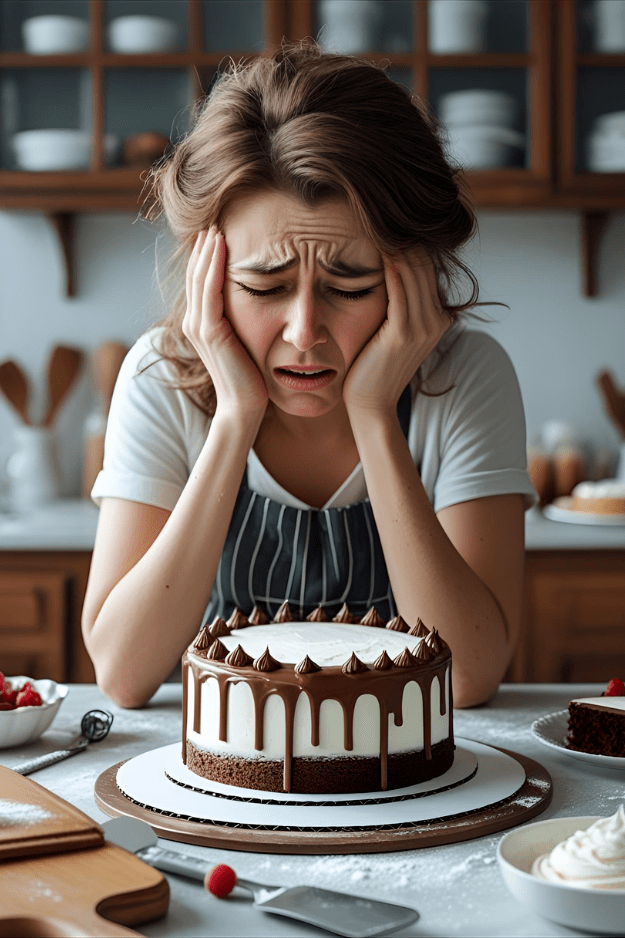
Have you ever wondered why your homemade cakes, despite following the recipe to the letter, turn out bland and unappetizing? You're not alone in this frustration. The phenomenon of cakes lacking flavor has puzzled many a baker, leading to a quest for the underlying reasons. Recent discussions around "iamsurecakes the surprising reason why your cakes taste bland" have shed light on some startling factors that could be at play.
One of the primary reasons cakes might not live up to their full flavor potential is the quality and freshness of the ingredients used. Old or low-quality baking powder, for instance, can significantly impact the taste of the cake. Moreover, the method of ingredient measurement and the mixing technique can also influence the final product's flavor profile. It's astonishing how such minor details can make a substantial difference in the outcome, highlighting the importance of precision and care in the baking process.
The Science Behind Cake Flavor
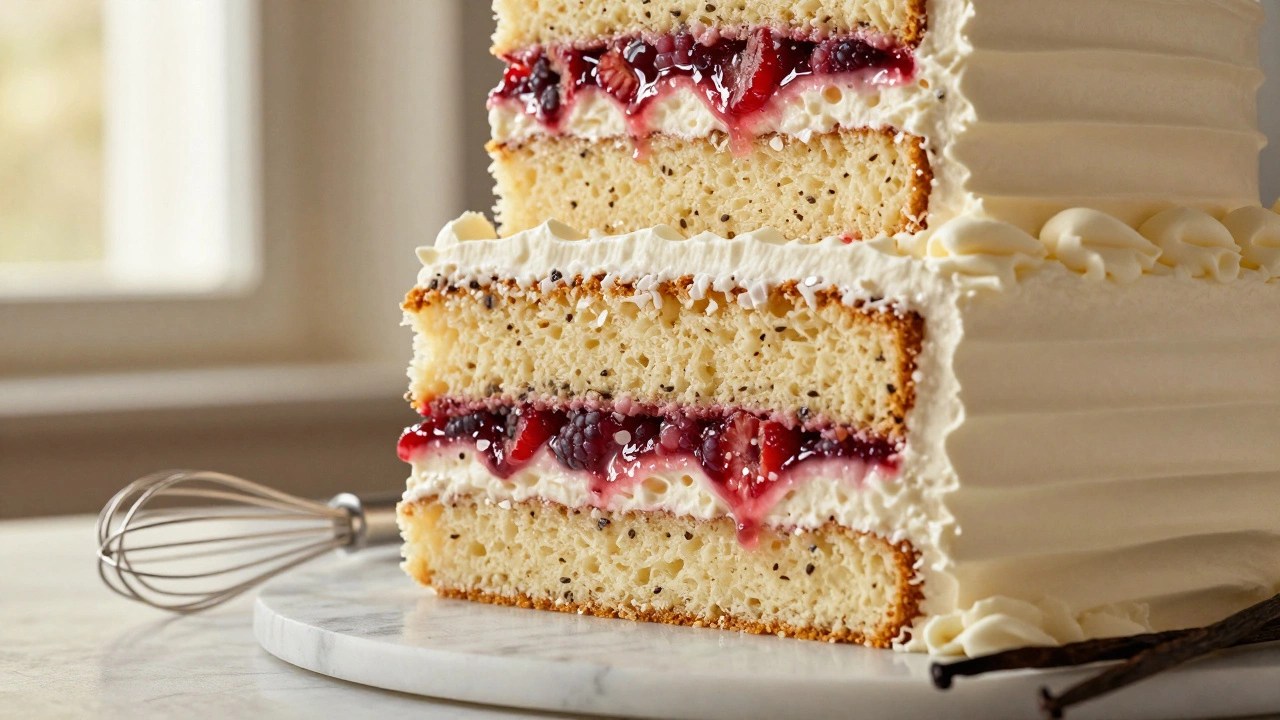
Diving deeper into the science of baking, it becomes apparent that chemical reactions play a crucial role in developing the flavors within a cake. The interaction between ingredients such as sugar, butter, eggs, and flour, when combined with heat, leads to the formation of new flavor compounds. However, if any of these components are not of the right quality or are not mixed and baked correctly, the resulting cake can end up tasting dull and unremarkable. Understanding these chemical reactions can help bakers adjust their recipes and techniques to produce cakes with more vibrant flavors.
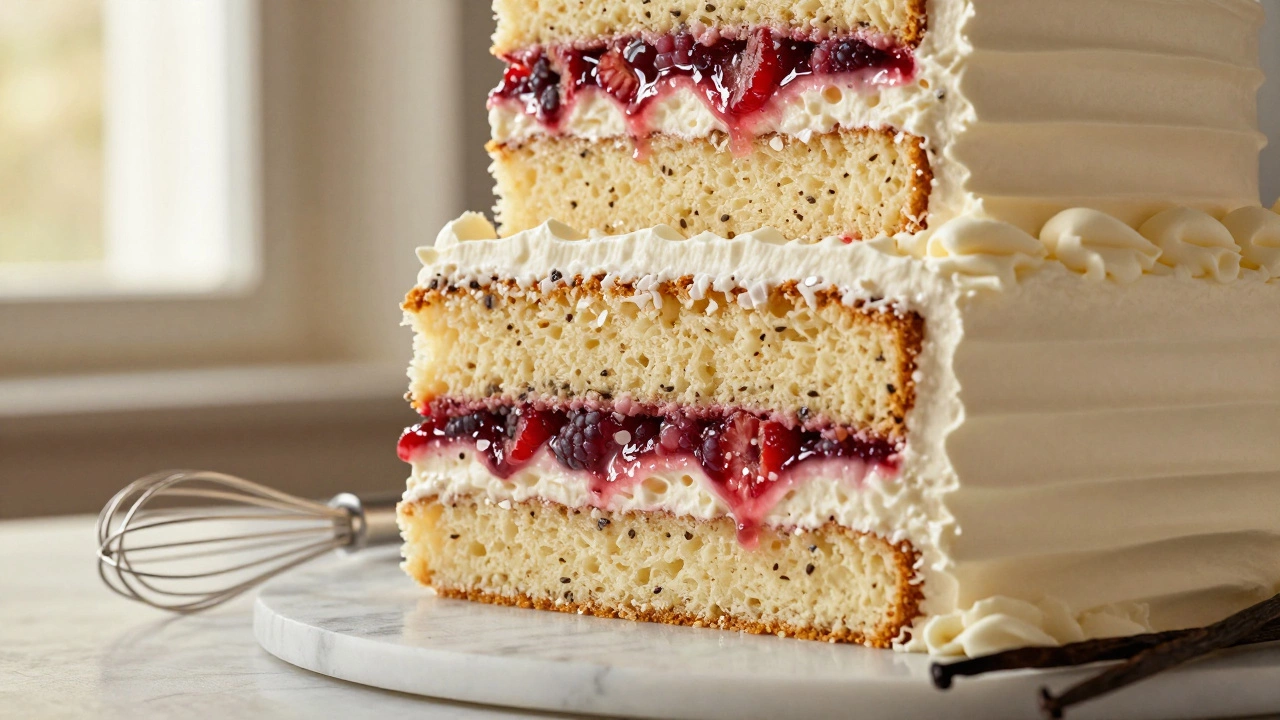
This knowledge can also apply to solving the mystery of "iamsurecakes the surprising reason why your cakes taste bland," by focusing on optimizing the baking process for better flavor extraction and development.
Practical Tips for Enhancing Cake Flavor
For those seeking to improve the flavor of their cakes, several practical tips can be implemented. Firstly, ensuring that all ingredients are at room temperature before mixing can help in achieving a smoother batter, which in turn can lead to a more evenly baked cake with better texture and flavor. Secondly, not overmixing the batter is crucial, as this can lead to a dense cake that lacks the light, airy texture and the full flavor potential that comes with it.
- •Waifu Mia Leaked: The Emergency Alert That's Rocking The Fandom
- •Unveiling Layla Jenner's Beauty Secrets: Steal Her Look For Under $20
- •Unveiling The Dark Side Of Fashion: Revealed: Brook Mink's Fashion Scandal
- •Unveiling The Melodic Magic Of Gali Golan Lea: A Journey Through Her Timeless Songs
- •Ice Spice Leaked: The Internet Just Broke - See The Photos Here Now
Additionally, experimenting with different types of flour, sugars, and flavorings can open up a world of flavors for cakes. For instance, using brown sugar instead of white sugar can add a richer, deeper flavor to the cake. Similarly, incorporating vanilla beans or other extracts can significantly enhance the taste. The key to making delicious cakes is often in the details and the willingness to experiment and adjust recipes based on personal preferences and the surprising reasons uncovered, such as those related to "iamsurecakes the surprising reason why your cakes taste bland."
Overcoming the Challenge of Bland Cakes
Despite the best efforts, there are times when cakes still turn out bland. In such cases, it's essential to troubleshoot the baking process to identify where things might have gone wrong. This could involve re-checking the recipe for any overlooked details, re-evaluating the quality of the ingredients used, or even adjusting the baking time and temperature. Sometimes, the solution to the problem of bland cakes, as discussed in the context of "iamsurecakes the surprising reason why your cakes taste bland," can be found in making simple adjustments to the baking technique or the ingredients.
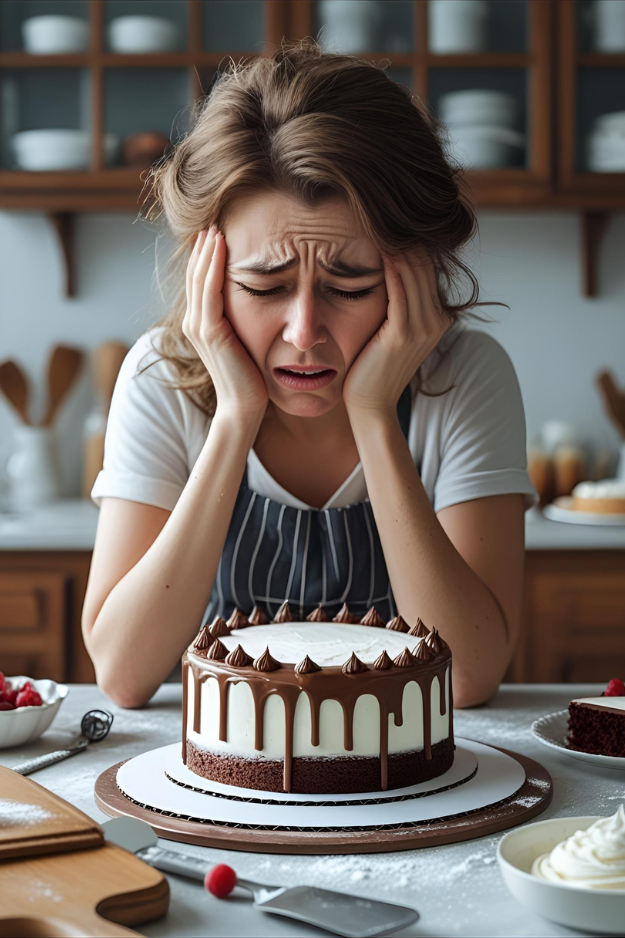
It's a process of trial and error, combined with a deep understanding of the baking process and the factors that influence the flavor and texture of cakes. By being open to learning and adapting, bakers can overcome the challenge of bland cakes and create desserts that are not only visually appealing but also delightful to the palate.
Conclusion: The Path to Delicious Cakes
In conclusion, the journey to creating cakes that are full of flavor involves a combination of understanding the science behind baking, being meticulous about the quality and freshness of ingredients, and adopting practical tips and techniques to enhance flavor. The discussion around "iamsurecakes the surprising reason why your cakes taste bland" serves as a reminder of the complexities and nuances of baking, and the importance of patience, practice, and continuous learning in mastering the art of cake making. By embracing these challenges and surprises, bakers can unlock the secrets to making truly delicious cakes that impress and satisfy.
For more details and authoritative references, refer to the official documentation on Wikipedia.