The Mysterious World of Tectonic Plates
Tectonic plates have long fascinated humans, with their ability to shape the Earth's surface and create breathtaking landscapes. From the majestic mountain ranges to the deep ocean trenches, these plates play a crucial role in shaping our planet. But have you ever wondered how they work? In this beginner-friendly guide, we'll take you on a journey to master the concept of tectonic plates in 5 easy steps, exploring the basics of "How to Master How Do Tectonic Plates Work in 5 Easy Steps (Beginner Friendly Guide)".
The process of understanding tectonic plates can be overwhelming, but with the right approach, it can be an exciting adventure. By following our 5-step guide, you'll gain a deeper understanding of the Earth's inner workings and how tectonic plates contribute to the ever-changing landscape. Whether you're a student, a science enthusiast, or simply curious about the world around you, this article is designed to provide a comprehensive and engaging introduction to the world of tectonic plates.

Step 1: Understanding the Basics of Tectonic Plates
To master the concept of tectonic plates, it's essential to start with the basics. Tectonic plates are large, rigid slabs of the Earth's lithosphere (the outermost solid layer of the planet) that fit together like a jigsaw puzzle. These plates are in constant motion, sliding over the more fluid asthenosphere (the layer of the Earth's mantle beneath the lithosphere) below. The movement of tectonic plates is responsible for the creation of mountains, volcanoes, and earthquakes, making it a vital aspect of "How to Master How Do Tectonic Plates Work in 5 Easy Steps (Beginner Friendly Guide)"
There are seven major tectonic plates and several smaller ones, each with its unique characteristics and behavior. By understanding how these plates interact and move, you'll gain a deeper appreciation for the complex processes that shape our planet. In the following steps, we'll delve deeper into the world of tectonic plates, exploring their movement, boundaries, and the impact they have on the Earth's surface.
Step 2-3: Exploring Plate Boundaries and Movement
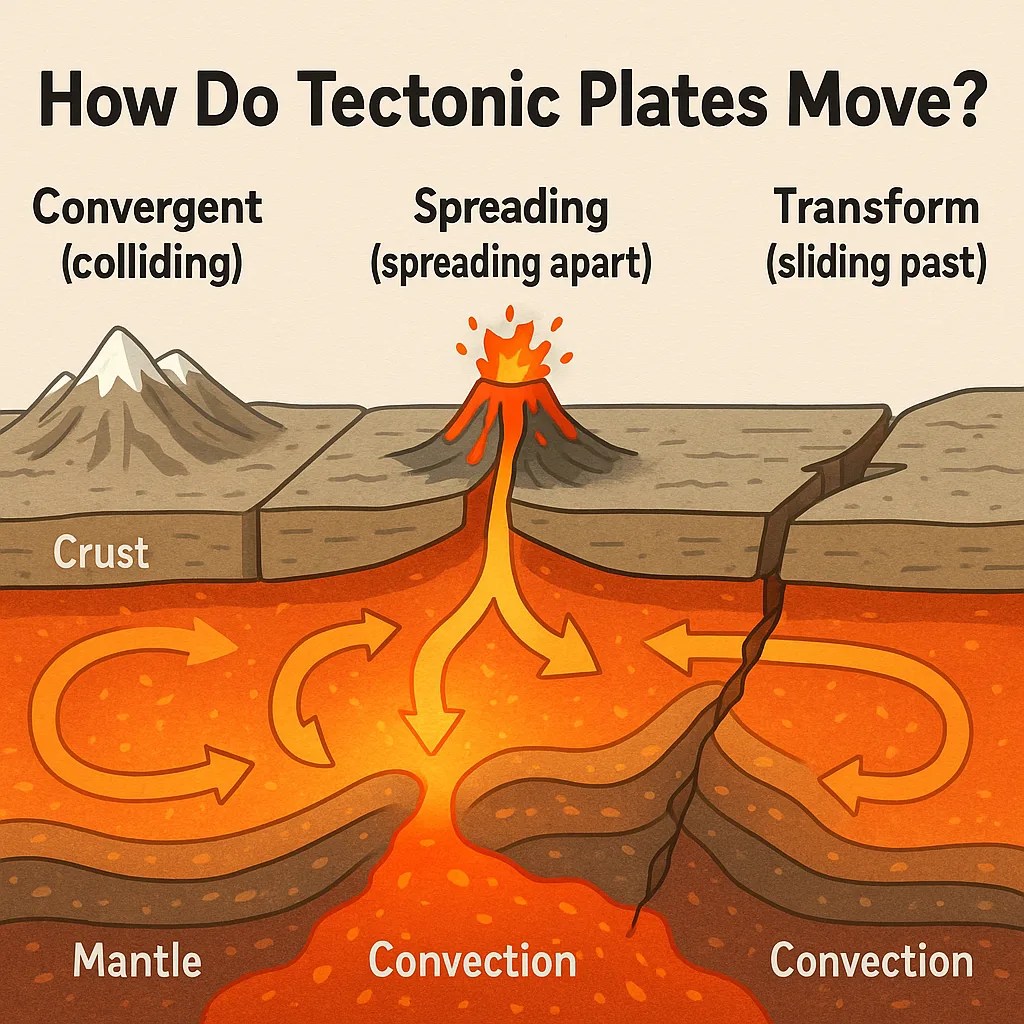
As we continue our journey to master the concept of tectonic plates, it's essential to explore the different types of plate boundaries and the movement of these plates. There are three main types of plate boundaries: divergent, convergent, and transform. Each type of boundary is characterized by unique geological features and processes, such as the creation of new crust at divergent boundaries or the formation of deep trenches at convergent boundaries.
- •Uncover The Truth: Everything You Need To Know About Lsba Attorney Search Before It's Too Late
- •Unlock The Mysteries Of The Dark Arts: The Ultimate Guide To Black Magic Spells
- •Unveiling The Mystery: Why Mantle Thickness Has Become The Most Searched Term Today
- •Uncover The Hidden Power Of Similarities And Differences: A Journey Of Self-Discovery
- •The Ultimate Guide To Mastering R22 Operating Pressure: Unlocking Peak Performance
The movement of tectonic plates is driven by convection currents in the Earth's mantle, which is heated by radioactive decay and primordial heat from the Earth's core. This movement can be slow, about a few centimeters per year, but it has a profound impact on the Earth's surface over millions of years. By understanding the movement of tectonic plates and the processes that occur at their boundaries, you'll gain a deeper appreciation for the dynamic nature of our planet and the concepts outlined in "How to Master How Do Tectonic Plates Work in 5 Easy Steps (Beginner Friendly Guide)"
Step 4-5: Applying Your Knowledge and Exploring Further
Now that you've gained a deeper understanding of tectonic plates and their behavior, it's time to apply your knowledge and explore further. By mastering the concept of tectonic plates, you'll be able to better understand geological events such as earthquakes, volcanic eruptions, and the formation of mountain ranges. You'll also gain a new perspective on the dynamic nature of our planet and the processes that shape its surface.
As you continue your journey to master the concept of tectonic plates, remember that practice and application are key. Look for opportunities to apply your knowledge in real-world scenarios, such as exploring geological formations or analyzing seismic data. With persistence and dedication, you'll become proficient in understanding the complex processes that govern the behavior of tectonic plates and unlock the secrets of the Earth, making you a master of "How to Master How Do Tectonic Plates Work in 5 Easy Steps (Beginner Friendly Guide)"

Conclusion: Becoming a Master of Tectonic Plates
Mastering the concept of tectonic plates is a rewarding journey that requires dedication, persistence, and a willingness to learn. By following the 5 easy steps outlined in this guide, you'll gain a deeper understanding of the Earth's inner workings and the processes that shape its surface. Remember that the journey to mastering tectonic plates is ongoing, and there's always more to learn and discover. With the knowledge and skills you've acquired, you'll be well on your way to becoming a master of "How to Master How Do Tectonic Plates Work in 5 Easy Steps (Beginner Friendly Guide)" and unlocking the secrets of the Earth.
As you continue to explore the fascinating world of tectonic plates, keep in mind that the Earth is a dynamic and constantly changing planet. By staying curious and seeking out new knowledge and experiences, you'll remain at the forefront of understanding the complex processes that govern our planet and the behavior of tectonic plates. With this guide, you've taken the first step towards mastering the concept of tectonic plates, and we're excited to see where your journey will take you.
Additional context and verified research data can be verified on Wikipedia's Public Archives.