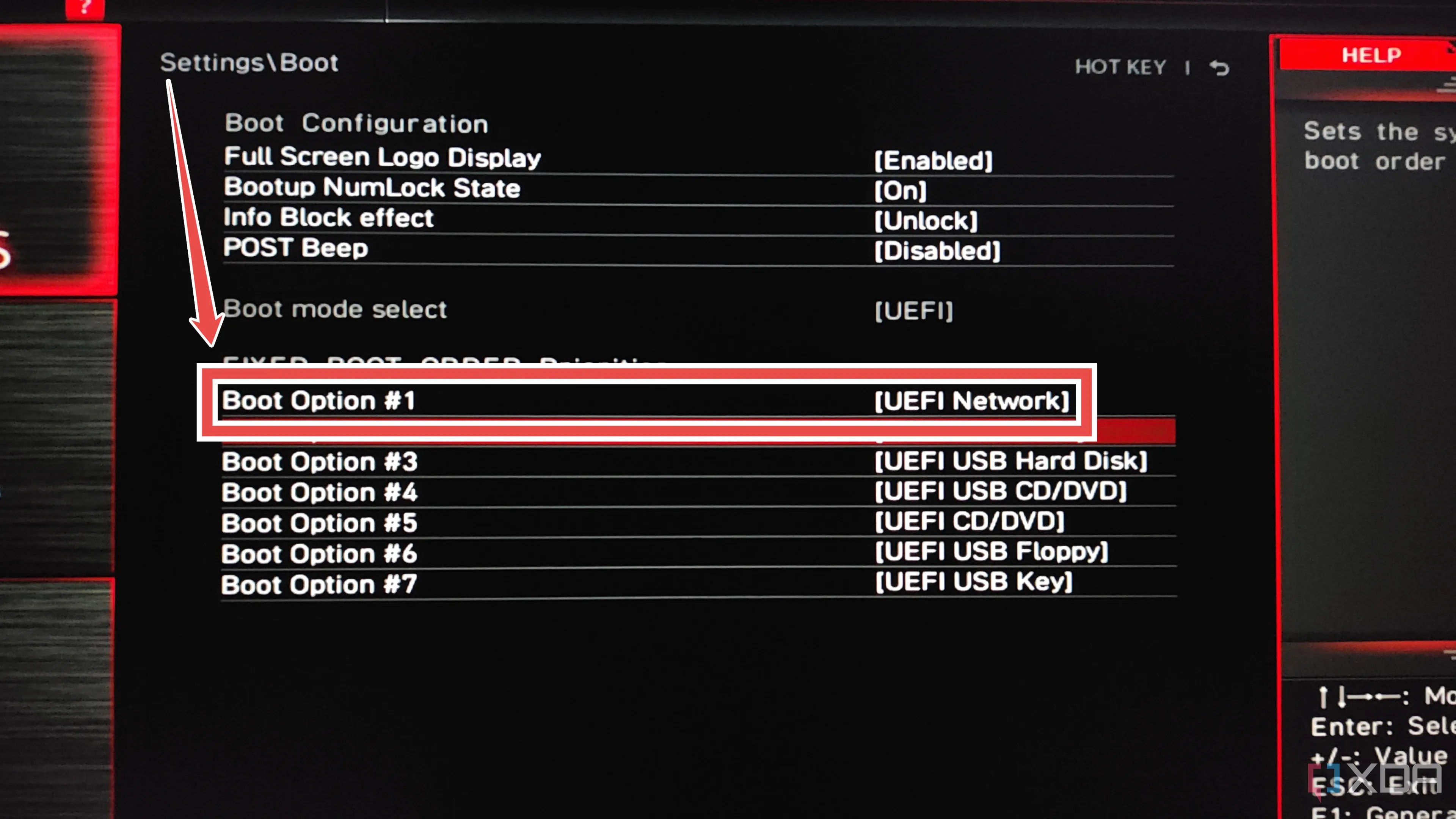
Introduction to PXE Booting: The Basics
PXE booting, or Preboot Execution Environment, is a game-changer for network administrators and IT professionals. It allows devices to boot over a network, providing a flexible and efficient way to manage and deploy operating systems. But what exactly is PXE booting, and how does it work? In this article, we'll delve into the world of PXE booting, exploring its benefits, applications, and the ins and outs of setting up a PXE boot server.
At its core, PXE booting is a protocol that enables devices to boot from a network location, rather than relying on local storage. This is made possible by the PXE firmware, which is typically installed on a device's network interface card (NIC). The PXE firmware communicates with a DHCP server to obtain an IP address and then downloads a boot image from a remote server. This boot image can be an operating system, a diagnostic tool, or even a specialized boot environment like PCUnlocker.
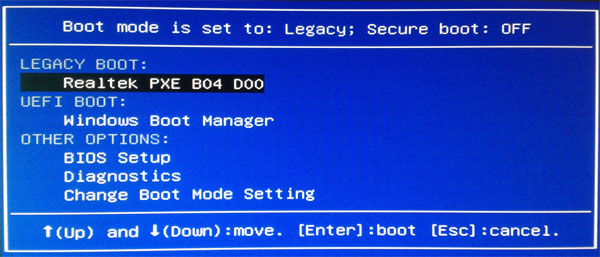
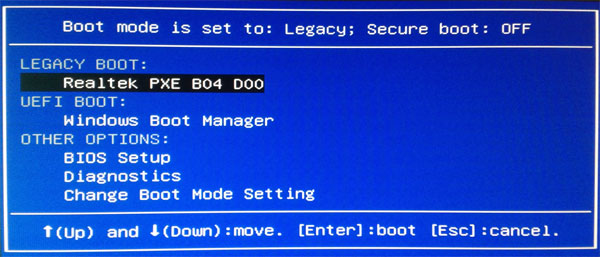
The Benefits of PXE Booting: Streamlining Your Workflow
So, why would you want to use PXE booting? For starters, it provides a convenient and efficient way to deploy operating systems and applications across a network. With PXE booting, you can easily boot devices from a central location, eliminating the need for physical media and reducing the risk of errors. This is especially useful in large-scale deployments, where manual installation can be time-consuming and prone to mistakes.
PXE booting also offers a range of other benefits, including improved security, reduced costs, and increased flexibility. By booting devices from a network location, you can ensure that all devices are running the latest operating system and security updates, reducing the risk of vulnerabilities and attacks. Additionally, PXE booting can help reduce costs by minimizing the need for physical storage and media, and by streamlining the deployment process.
Setting Up a PXE Boot Server: A Step-by-Step Guide
Setting up a PXE boot server is relatively straightforward, but it does require some technical expertise. To get started, you'll need a server with a DHCP server, a TFTP server, and a boot image. You'll also need to configure your network infrastructure to support PXE booting, including setting up VLANs and configuring your routers and switches.
- •Hit A Home Run Online: Can You Really Play MLB The Show Online For Free No Download Needed?
- •Unveiling The Unbreakable Bond: Redefined Strength The Transformation Of Jessa And Jared Burchs Marriage
- •Rev Up Your Bus Simulator Experience: Top Auto Mods For Ultimate Fun
- •Unleash The Power: Ps4 Jailbreak Get The New Dns Settings You Need
- •Unlock The Ease Of Printing: A Step-by-Step Guide To Print From Your Phone At Walmart
Once you have your server and network infrastructure in place, you can start configuring your PXE boot environment. This typically involves setting up a boot menu, configuring the boot image, and testing the setup to ensure that it's working correctly. If you're new to PXE booting, it's a good idea to start with a simple setup and then gradually add more complexity as you become more comfortable with the technology.
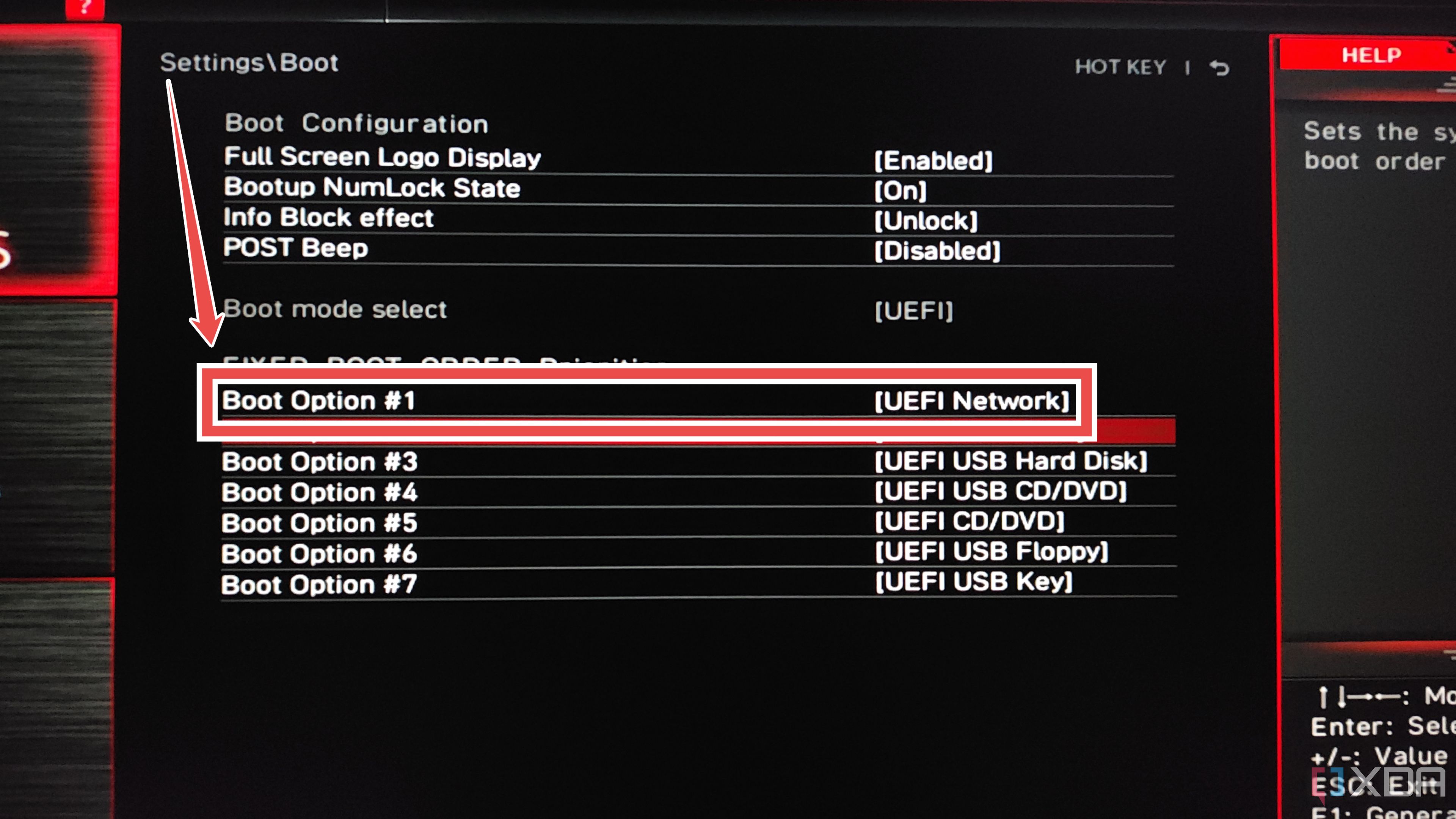
PXE Boot Option Rom Your Network Booting Explained: Advanced Topics
As you become more comfortable with PXE booting, you may want to explore some of the more advanced topics and features. For example, you can use PXE booting to deploy specialized boot environments, such as PCUnlocker, which can help you recover lost passwords and unlock devices. You can also use PXE booting to boot devices from a variety of different operating systems, including Windows, Linux, and macOS.
PXE booting can also be used in conjunction with other technologies, such as virtualization and cloud computing. By combining PXE booting with these technologies, you can create a powerful and flexible deployment solution that meets the needs of your organization. Whether you're deploying devices in a traditional on-premises environment or in a cloud-based infrastructure, PXE booting can help you streamline your workflow and improve your overall efficiency.
Conclusion: Unlocking the Full Potential of PXE Booting
In conclusion, PXE booting is a powerful and flexible technology that can help you streamline your workflow and improve your overall efficiency. By understanding the basics of PXE booting and how to set up a PXE boot server, you can unlock the full potential of this technology and start deploying devices with ease. Whether you're a seasoned IT professional or just starting out, PXE booting is definitely worth exploring, and with the right guidance and support, you can master this technology and take your deployment skills to the next level.
As you continue to learn and grow with PXE booting, remember to always keep your network and devices up to date, and to stay informed about the latest developments and advancements in this field. With PXE booting, the possibilities are endless, and the benefits are clear. So why not get started today and see what PXE booting can do for you?
For more details and authoritative references, refer to the official documentation on Wikipedia.